
The wild west of elderly health care
Dr. Joshua Phillips, ND | Hawthorn Healing Arts
— Originally published in the Source Weekly, from Dr Phillips’ monthly column, The Medicine Cabinet Within.
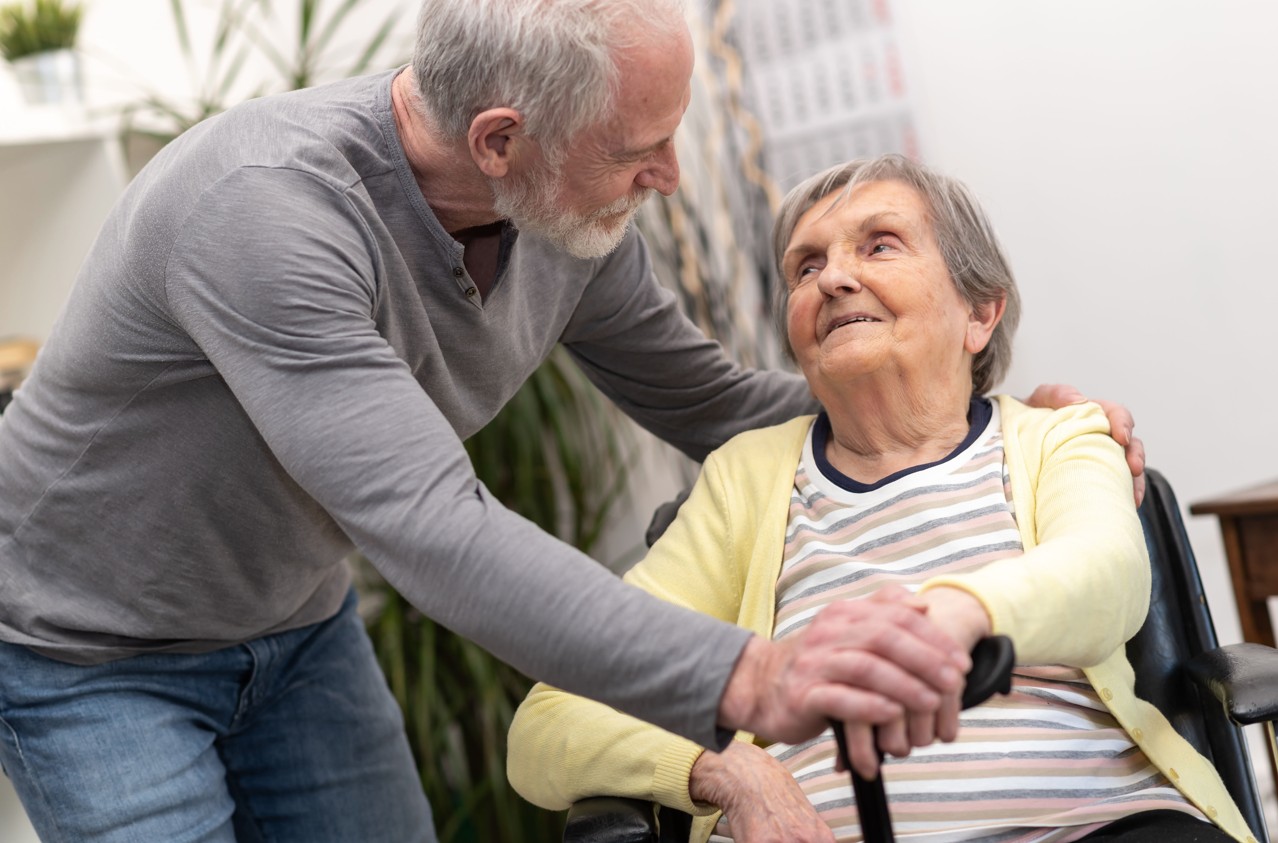
Caring for elderly parents who are no longer able to care for themselves is an experience that few are prepared for. Elderly people who live alone have compounding medical issues, and those suffering from dementia related cognitive decline, present a multifaceted set of concerns. Adult children and families who are going through this experience with parents or loved ones can attest to the inherent challenges, as well to the reality that we are living in a country that has no road map in place to help with the navigation.
It is estimated that roughly seven million Americans are living with Alzheimer’s-related dementia, most of whom are in the over age 65 age bracket and roughly two thirds are women. Due to this overall aging population in the U.S., the number of elderly expected to be living with debilitating dementia is expected to almost double within the next few decades. While it is obviously devastating for those going through the process of losing their memory and cognitive capacity, it is also incredibly difficult for their friends and family. It’s estimated that about 12 million family members and unpaid caregivers provided 20 billion hours of care for those with dementia in 2024.
The reasons for such a massive increase in the prevalence of Alzheimer’s and other causes of cognitive dementia are multifactorial, including a complex landscape of genetic, physiologic and environmental/societal issues. In previous articles published in this column, The Aging Brain and The Gut-Brain Connection, I discuss some of the underlying causes as well as tools for supporting the health of our brains and nervous systems.
Many adult children and families find themselves unprepared for the rapid cognitive decline that can befall their parents and scramble to put a system of care in place. The very fact that humans live so much longer than we did historically, combined with a modern way of living where multi-generational households are rare, sets the stage for the unfolding dilemma. In his book, “Being Mortal: Medicine and What Matters in the End,” Dr. Atul Gawande explores some of the issues of what really matters with end-of-life care, dignity for the elderly and many of the pitfalls of the current institutions of care for this population.
In a country where the framework of socialized and government-supported medical care is weak at best, it is nearly non-existent for elderly needing long-term care and even more challenging for families needing higher end memory-care for dementia. If a long-term care insurance plan is not in place, this becomes an incredibly expensive prospect, one that is subject to all the rules of capitalism. Families are left to navigate a labyrinth of for-profit assisted living facilities and adult foster care homes, with price tags that few can afford. For many this means a family must completely drain all investments and savings to nearly zero, before the state Medicaid program will begin to assist.
In Central Oregon, we are fortunate to at least have the Council on Aging on our team, a nonprofit that is full of resources to help elderly individuals and their families find much needed support. Their resource lists help to identify the options for residential support, medical support, as well as groups that meet regularly to support caregivers, both professional and familial.
In a culture and health care system that is largely an every-man-for-himself environment, it becomes even more important to get connected with groups and organizations that can provide support, so one does not feel so lost in the woods. While it is a daunting journey at times to know how to move forward in support of a loved one who can no longer care for themselves, resources and support do exist.
Appointments with Dr. Phillips are available by calling 541-330-0334 email [email protected] or visit our online request form.