
 David Watts, LAc | Hawthorn Healing Arts
David Watts, LAc offers a style of care that reflects something many veterans already know firsthand — healing isn’t just physical, and it isn’t just mental. It’s both, and often more layered than that. As an acupuncturist, herbalist, and bodyworker, David works with patients who are navigating chronic pain, stress, anxiety, and PTSD. His approach is holistic, but also practical — meeting people where they are and helping them find a way forward that feels manageable.
When Stress Doesn’t Turn Off
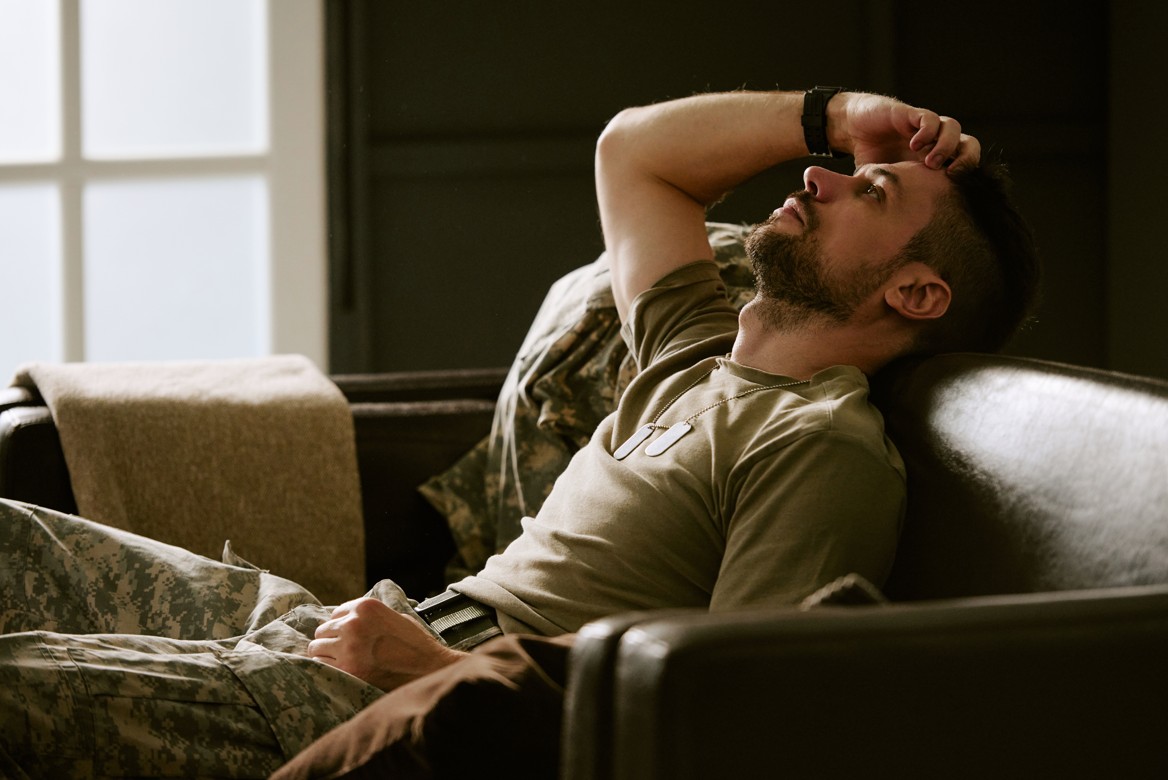
For many veterans, the challenge isn’t just what happened, it’s what lingers. The body adapts to survive intense situations. That’s part of its intelligence. But sometimes those patterns don’t fully unwind. Even in safe environments, the nervous system can stay on alert. Sleep becomes inconsistent. Muscles hold tension. There’s a sense of always being “on,” even when there’s no clear reason.
Old injuries don’t just heal and disappear, they can remain active, especially when the body is still carrying stress. Over time, it becomes hard to tell where the physical ends and the emotional begins.
Starting with the Body
One of the reasons acupuncture can be so helpful here is that it doesn’t require someone to talk through everything right away. It starts with the body. Treatment focuses on helping the nervous system settle—shifting out of that constant “fight or flight” state and into something more restorative. Patients often notice small changes at first. Breathing deepens. Shoulders drop a little. There’s a sense, even briefly, of being able to rest. Those moments matter more than they might seem.
Research has started to reflect this as well. Studies involving veterans have shown that acupuncture can reduce the intensity of PTSD symptoms, including the heightened startle response that many people experience. In everyday terms, that can mean feeling less reactive, more steady, and a bit more at ease moving through daily life.
Pain, Memory, and Momentum
Pain is often part of the picture. Sometimes it’s from a specific injury. Sometimes it’s more diffuse—chronic tension, headaches, low back or neck pain that never fully resolves. Reducing that pain can open the door to everything else. It’s not uncommon for someone to come in for treatment focused on physical pain, only to realize over time how much underlying stress their body has been carrying.
When the body isn’t constantly signaling distress, it becomes easier to move, to sleep, and to engage in other kinds of support. That might be exercise, counseling, or simply reconnecting with routines that used to feel normal. Progress doesn’t usually happen all at once. It builds. One good night of sleep. A little less tension. A bit more clarity. Over time, those shifts start to add up.
Supporting the Whole System
Acupuncture is just one part of the work. Depending on the person, treatment may also include Chinese herbs, breathwork, essential oils, or simple lifestyle adjustments. The goal isn’t to overwhelm—it’s to support the body in a way that feels steady and sustainable.
There’s also an important element of choice in the process. Trauma can leave people feeling like their body isn’t entirely their own. So, part of the work is creating a space where patients can rebuild that sense of connection and trust at their own pace. Sleep tends to improve as the nervous system settles. Mood often follows. Not in a dramatic, overnight way—but in a gradual return to something more balanced.
A Different Kind of Starting Point
Acupuncture isn’t a replacement for other care. Many veterans are already working with therapists, physicians, or support networks—and that’s important. What this offers is another entry point. One that works directly with the body, where so much of this experience is held. And it doesn’t require having everything figured out before you begin. Sometimes the starting point is simply noticing that things could feel different—and being open to that possibility.
Moving Forward, One Step at a Time
If you’re a veteran living with chronic pain, stress, or the lasting effects of trauma, support is available—and it doesn’t have to look just one way. At Hawthorn Healing Arts, David Watts offers individualized care that brings together acupuncture, bodywork, and holistic therapies to support both physical and emotional recovery.
If you’re curious about whether this approach might be a fit, reaching out is a simple first step. From there, the process unfolds at a pace that respects where you are—and where you’re ready to go next. To learn more or schedule an appointment with David, call 541-330-0334 or use our online appointment form.