
 Dr. Stephanie Auerbach, ND | Hawthorn Healing Arts
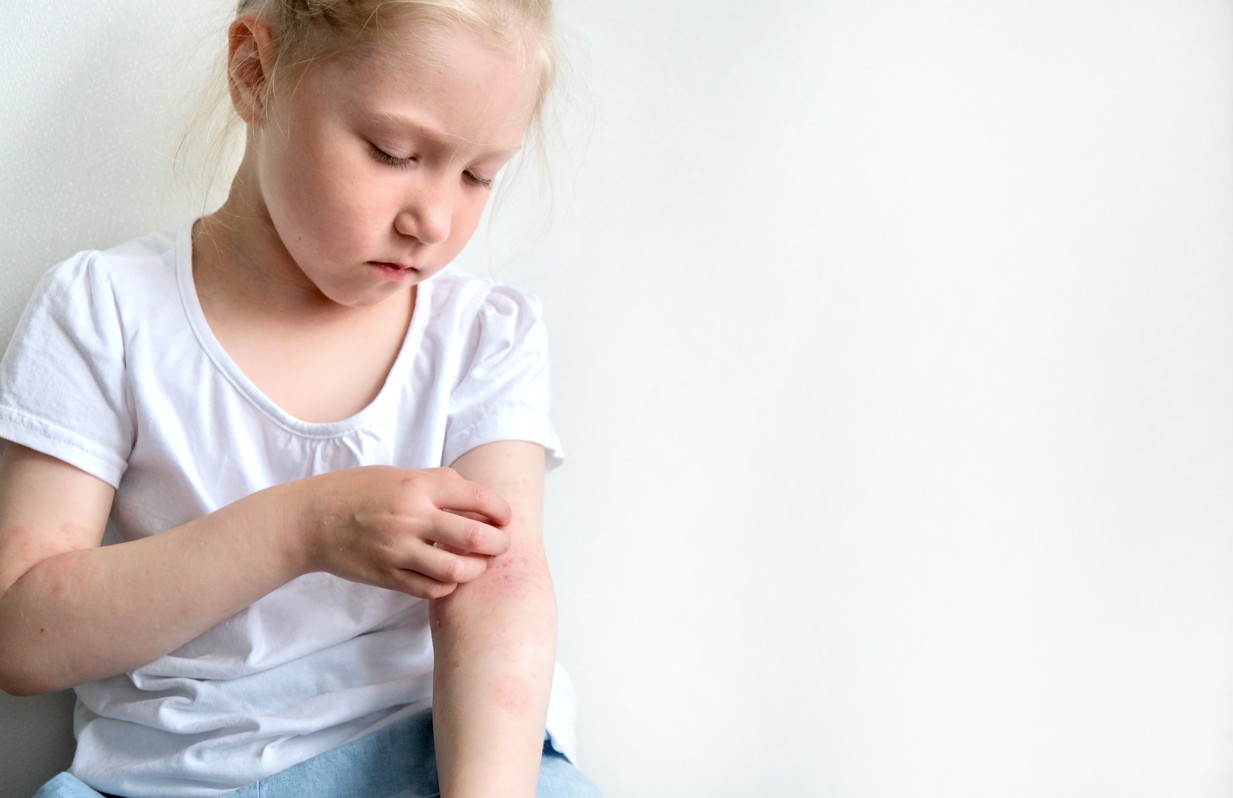
Few things are harder for parents than watching a child struggle with relentless itching, inflamed skin, and restless nights. Childhood eczema, also known as atopic dermatitis, is one of the most common chronic skin conditions in children, affecting an estimated 10–20% of kids worldwide. It often begins during infancy and can range from mildly irritating dry patches to severe flare-ups that interfere with sleep, mood, and daily life.
While conventional treatment often focuses on steroid creams and moisturizers to reduce inflammation, many parents wonder why eczema developed in the first place—and whether there is a way to address the root causes rather than simply managing symptoms. Childhood eczema is frequently linked to dietary triggers and digestive health. Although many children eventually outgrow these sensitivities, symptoms can be significant enough to warrant earlier intervention to improve comfort and support long-term healing.
Eczema 101
Eczema is an inflammatory skin condition caused by a combination of genetic tendencies, immune system imbalance, and environmental triggers. The skin’s protective barrier becomes compromised, allowing moisture to escape while irritants and allergens penetrate more easily. The result is skin that may become:
- Dry and rough
- Intensely itchy
- Red or discolored
- Cracked or scaly
- Thickened from chronic scratching
- Occasionally oozing or crusted
In infants, eczema often appears on the cheeks, scalp, and forehead. In older children, it commonly develops in the creases of the elbows, knees, wrists, and ankles. Although eczema is not contagious, scratching can damage the skin and increase the risk of bacterial infections. Eczema is rarely caused by a single factor. Instead, it tends to arise when several underlying issues combine.
Genetic Predisposition
Children with a family history of eczema, asthma, hay fever, or allergies are more likely to develop atopic dermatitis. Researchers have also identified genetic variations, such as defects in the filaggrin protein, which help maintain the skin’s protective barrier.
Immune System Overactivity
In eczema, the immune system reacts strongly to substances that might otherwise be harmless, including certain foods, pollens, soaps, and environmental irritants.
Digestive Health and the Gut-Skin Connection
One of the most important concepts in naturopathic medicine is the relationship between the digestive system and the skin. The gut plays a central role in regulating inflammation and immune function. When the digestive tract is irritated or the balance of beneficial bacteria is disrupted, inflammation can manifest on the skin. Many children with eczema also experience digestive symptoms such as constipation, reflux, colic, gas, or loose stools.
Common Dietary Triggers
Food sensitivities are among the most common contributors to eczema flares, especially in young children. Unlike immediate food allergies, some reactions are delayed and may not become obvious for 24 to 72 hours. Common trigger foods include:
- Dairy
- Eggs
- Gluten
- Soy
- Corn
- Nuts
In breastfed infants, proteins from foods eaten by the mother can also influence a baby’s symptoms. Identifying these triggers can be challenging, which is why food sensitivity testing and guided elimination diets can be valuable tools when used under professional supervision.
The Role of the Microbiome
The body is home to trillions of beneficial microorganisms that support digestion, immune function, and skin health. Disruptions in the gut microbiome—sometimes caused by antibiotics, infections, or dietary imbalances—can increase inflammation and contribute to eczema.
Skin bacteria also play a role. Many children with eczema have higher levels of Staphylococcus aureus, which can aggravate irritation and worsen flare-ups. By improving gut health, practitioners often see benefits that extend well beyond digestion, including calmer skin.
Nutritional Factors That Matter
Vitamin D
Vitamin D is essential for immune regulation and skin barrier function. Studies have found that children with eczema are more likely to have low vitamin D levels, and correcting deficiencies may reduce the severity of symptoms.
Probiotics
Certain probiotic strains, particularly Lactobacillus rhamnosus GG, have been shown to lower the risk of eczema and help reduce flare intensity. Probiotics may be beneficial during pregnancy, breastfeeding, and infancy.
Omega-3 Fatty Acids
Fish oil provides anti-inflammatory nutrients that may support healthy immune development and reduce allergic tendencies.
Supporting the Skin Barrier
Even when addressing deeper causes, soothing and protecting the skin remains an important part of treatment. Helpful measures may include:
- Thick, fragrance-free moisturizers containing ceramides
- Short, lukewarm baths
- Colloidal oatmeal baths to reduce itching
- Avoiding harsh soaps and detergents
- Keeping nails trimmed to minimize skin damage from scratching
These simple steps can provide meaningful relief while underlying imbalances are addressed.
A Root-Cause Approach to Treatment
Rather than focusing solely on suppressing inflammation, naturopathic medicine seeks to understand what is driving the immune response. A comprehensive evaluation may include:
- Detailed dietary history
- Food sensitivity testing
- Nutritional assessment
- Vitamin D testing
- Comprehensive stool analysis to evaluate gut health and microbiome balance
Based on these findings, treatment may involve individualized dietary changes, targeted supplements, probiotics, and therapies designed to support digestion, repair the gut lining, and regulate the immune system. This approach can help reduce flare-ups and, in many cases, lessen a child’s dependence on topical medications over time.
Hope for Parents
Eczema can be frustrating and exhausting—for children and parents alike. The itching can disrupt sleep, impact mood, and leave families feeling like they are constantly trying one cream after another. The encouraging news is that eczema often improves significantly when underlying triggers are identified and addressed. For many children, dietary sensitivities resolve as they grow older and their digestive and immune systems mature. By looking beyond the skin itself, it is possible to support the body’s natural healing processes and help children feel more comfortable in their own skin.
Pediatric Naturopathic Care with Dr. Stephanie Auerbach, ND
Hawthorn Healing Arts Center offers thoughtful, individualized care for children dealing with eczema and other chronic health concerns. Dr. Auerbach takes a root-cause approach that considers digestive health, food sensitivities, nutrition, and immune balance to help identify why symptoms are occurring and what can be done to support lasting improvement.
If your child is struggling with eczema and you would like to explore a more comprehensive approach to care, scheduling a consultation with Dr. Auerbach may provide valuable insight and practical solutions tailored to your child’s unique needs. To learn more or schedule an appointment with Dr. Stephanie Auerbach, ND, call 541-330-0334 or use our online appointment form. Get started today on a more personalized approach to your child’s overall well-being.