
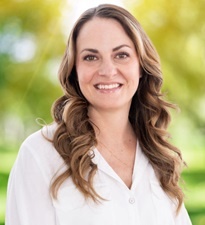
 Cinnamon Crabb, LMT | Hawthorn Healing Arts
Cinnamon Crabb is now certified in Manual Lymphatic Drainage, adding this specialized therapy to her massage practice. This gentle, highly focused technique is designed to encourage the natural movement of lymph fluid throughout the body, helping reduce congestion and promote better overall function.
Most of us are familiar with the circulatory system and the role blood plays in carrying oxygen and nutrients throughout the body. But there’s another important system quietly working behind the scenes every day that many people rarely think about until something feels “off” — the lymphatic system.
This intricate network of vessels, lymph nodes, and tissues helps regulate fluid balance, supports immune function, and assists the body in filtering waste and toxins. When the lymphatic system becomes sluggish or overwhelmed, people may notice symptoms like puffiness, swelling, fatigue, brain fog, chronic sinus congestion, or a general feeling of heaviness and inflammation. That’s where Manual Lymphatic Drainage (MLD) can offer support. Unlike traditional massage, MLD uses very light pressure and slow, rhythmic movements that follow the pathways of the lymphatic system. The approach is calming, subtle, and deeply restorative for many people.
Why the Lymphatic System Matters
The lymphatic system plays several important roles in maintaining health. It helps transport immune cells throughout the body, removes excess fluid from tissues, absorbs certain nutrients from the digestive tract, and filters out waste products and cellular debris. When lymph flow becomes impaired, fluid can accumulate in tissues and circulation may become sluggish. This can happen for many reasons, including illness, injury, surgery, chronic inflammation, stress, inactivity, or recovery from medical procedures.
One of the most recognized uses for Manual Lymphatic Drainage is helping people manage lymphedema, a condition involving swelling that often occurs after lymph node removal during cancer treatment, particularly breast cancer surgery. However, MLD is also increasingly used to support people dealing with chronic inflammation, swelling, sinus congestion, fibromyalgia, fatigue, and recovery from injuries or surgery. Even people without a diagnosed condition sometimes seek MLD because they feel chronically puffy, swollen, or “stuck” physically.
Signs Your Body May Need More Lymphatic Support
The signs of lymphatic congestion can be subtle at first. Some people simply notice that they feel swollen or heavy more often than they used to. Others may experience recurring sinus issues, fatigue, or skin flare-ups that seem difficult to resolve. Common signs associated with sluggish lymphatic flow can include:
- Swelling in the hands, feet, face, or ankles
- Persistent bloating
- Brain fog or fatigue
- Frequent sinus congestion
- Skin irritation or breakouts
- Tender or swollen lymph nodes
- A general feeling of inflammation or heaviness
While these symptoms can have many causes, supporting lymphatic circulation may help some people feel more comfortable and balanced.
What Happens During a Manual Lymphatic Drainage Session?
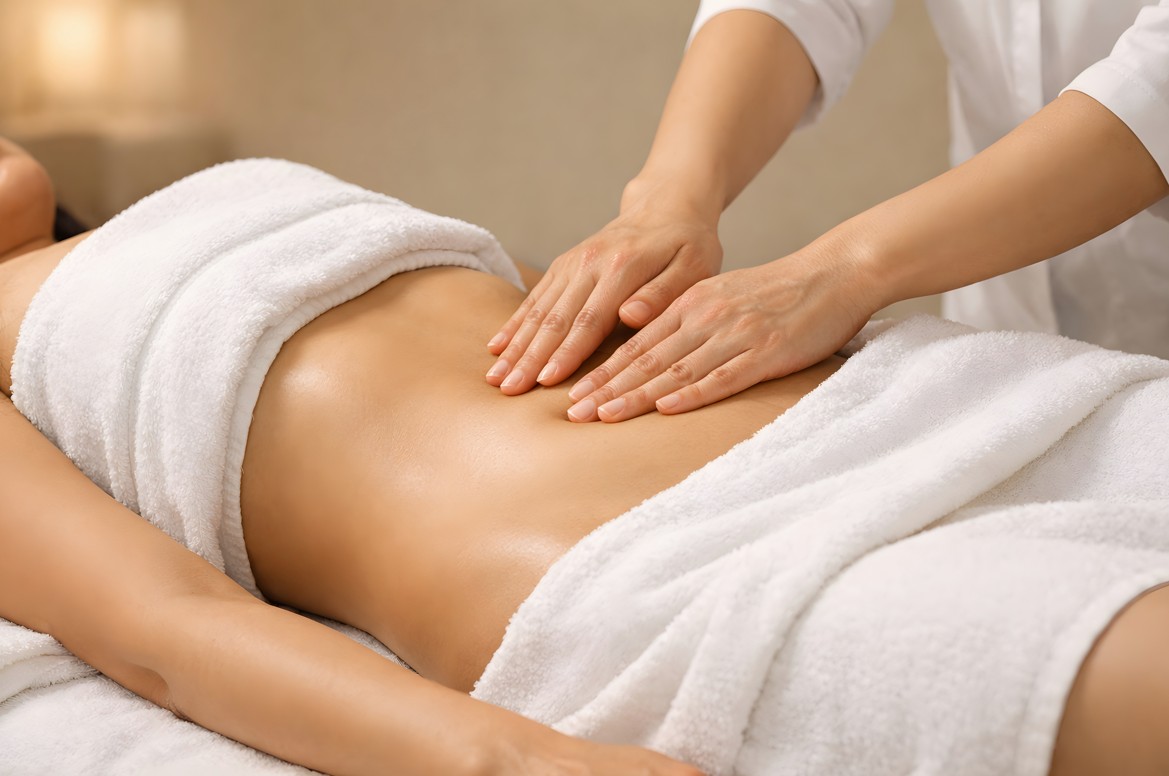
Many people are surprised by how gentle Manual Lymphatic Drainage actually is. Unlike deep tissue massage, which works into muscles and connective tissue, MLD focuses on the skin and superficial lymphatic pathways just beneath it. Sessions typically begin by stimulating areas where major lymph nodes are concentrated, including the neck, collarbone region, underarms, abdomen, and sometimes the groin area, depending on the treatment goals and the client’s comfort level. From there, the therapist uses slow, rhythmic movements to encourage lymph fluid to move toward functioning lymph nodes where it can be filtered and recirculated.
Clients often describe the experience as deeply calming. Some even fall asleep during treatment because the technique is so soothing to the nervous system. Afterward, people may notice increased urination, reduced puffiness, easier breathing through the sinuses, or simply a lighter feeling in the body. Others experience gradual improvement over a series of sessions rather than immediate dramatic results.
More Than Just Swelling Relief
Although MLD is best known for reducing swelling and fluid retention, many people appreciate its broader wellness benefits. Because the lymphatic system is closely connected to immune health and inflammation, supporting its function may help the body recover more efficiently from stress, illness, or physical strain. Some people seek MLD to complement recovery after surgery or injury, while others simply use it as part of an ongoing wellness routine.
The deeply relaxing nature of the therapy can also help calm the nervous system. In today’s fast-paced world, where many people carry chronic stress and tension, slowing down the body’s internal systems can feel surprisingly restorative. Facial lymphatic drainage has also become increasingly popular in wellness and skincare settings because of its ability to reduce puffiness and support circulation, giving the skin a more refreshed appearance.
When MLD May Not Be Appropriate
While Manual Lymphatic Drainage is generally considered safe for many people, there are situations where it may not be recommended. Individuals with active infections, blood clots, congestive heart failure, kidney failure, fever, or certain other medical conditions should consult with their healthcare provider before receiving treatment. A properly trained therapist will also carefully review a client’s health history to determine whether MLD is appropriate and how treatment should be adapted for individual needs.
A Gentle Addition to Holistic Wellness
One of the reasons Manual Lymphatic Drainage continues to gain attention is because it offers a gentle, non-invasive approach to supporting the body’s natural processes. Rather than forcing change, the technique works with the body’s existing systems, encouraging circulation, fluid movement, and relaxation in a subtle but meaningful way. For people who often feel inflamed, swollen, stressed, or chronically run down, that gentle support can make a noticeable difference over time.
Cinnamon now offers Manual Lymphatic Drainage as part of her bodywork services. Whether you are recovering from illness or surgery, looking for support with swelling and inflammation, or simply interested in helping your body function more efficiently, MLD may be a valuable addition to your wellness routine.
To learn more or schedule an appointment with Cinnamon, call 541-330-0334 to explore whether Manual Lymphatic Drainage may be right for you. Feel free to use our online appointment form as well.