

Pain has a way of shaping our lives. It can creep into everyday moments—tight shoulders that make it hard to sit comfortably at your desk, a stiff neck that wakes you at night, or an aching back that limits your ability to enjoy the activities you love. For many people, pain doesn’t just affect the body; it drains energy, affects mood, and makes everything feel more difficult.
At Hawthorn Healing Arts, massage therapist Cinnamon Crabb, LMT offers two powerful therapies rooted in Traditional Chinese Medicine—cupping and gua sha—to help people find real relief from pain. While each technique has its own approach, both share the same guiding principle: circulation is healing. When blood, oxygen, and energy flow freely, tension eases, tissues repair, and the body finds balance again.
What Is Cupping?
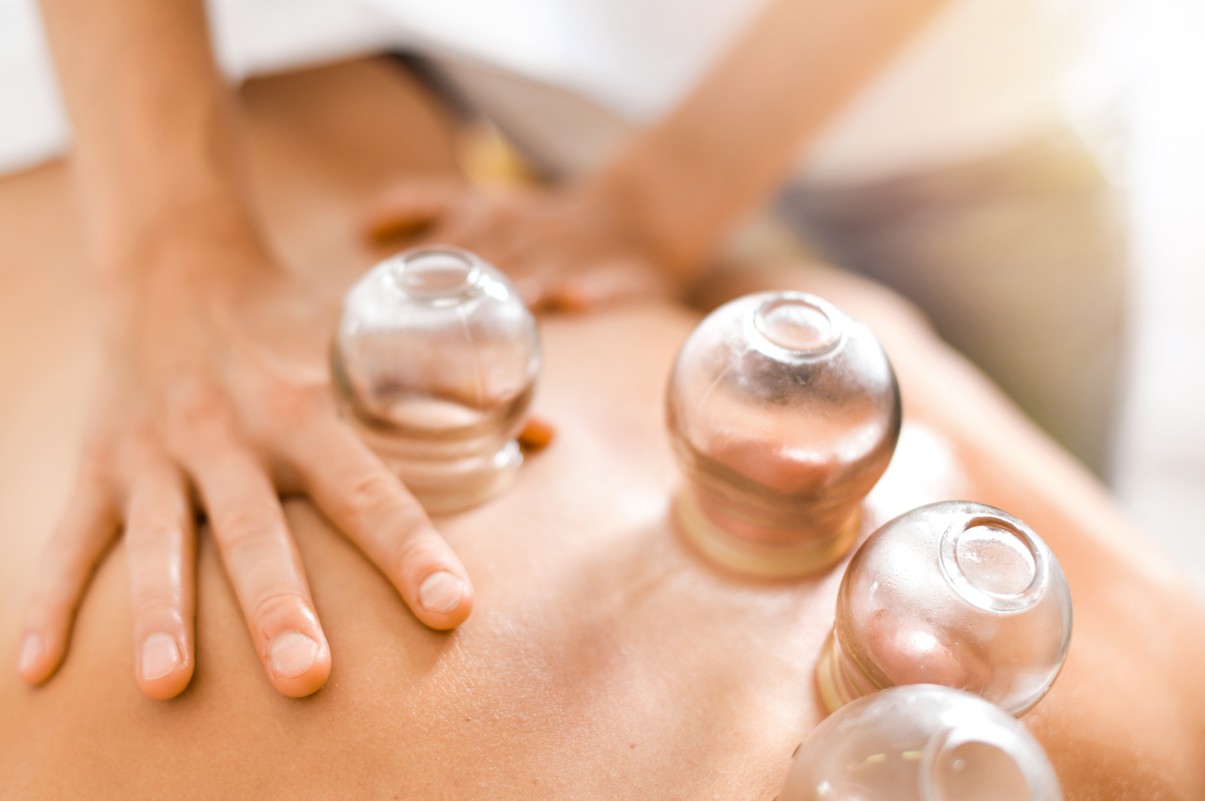
Cupping might look unusual at first glance, but its effects are simple and profound. By placing special cups on the skin and creating gentle suction, the therapy works almost like a “massage in reverse.” Instead of pressing down into the muscle, the cups lift the skin and underlying tissues upward.
This negative pressure draws fresh blood into sore or stagnant areas, allowing nutrients and oxygen to flood the tissues while encouraging old waste products to be cleared away. The result is looser muscles, softer fascia (the connective tissue around muscles), and a noticeable reduction in pain.
Cupping is especially effective for:
- Back and neck pain
- Shoulder stiffness
- Joint discomfort from arthritis
- Sore, overworked muscles
- Headaches and migraines
Many people recognize cupping from the circular marks it can leave on the skin. These are not bruises, but rather signs that stagnation has been lifted and circulation restored. The marks typically fade within a few days, leaving the body refreshed and more at ease.
What Is Gua Sha?
Gua sha takes a different approach but works toward the same goal of restoring flow and reducing pain. Using a smooth-edged tool, the skin is gently stroked in scraping motions along tense or stagnant areas. This helps break up adhesions within the fascia, improves circulation, and relieves muscle tightness. Like cupping, gua sha often produces visible marks—red or purple spots called petechiae. These marks are simply the body’s way of showing that stagnant blood and tension have been released from deeper layers of tissue.
Gua sha is particularly helpful for:
- Chronic muscle tightness
- Neck and shoulder pain
- Headaches and migraines
- Arthritis and other inflammatory conditions
- Stubborn tension that hasn’t responded to other therapies
In Traditional Chinese Medicine, gua sha is also used to “release the exterior,” a concept that refers to opening the body’s surface to help fend off colds, flu, and other early-stage illnesses. Modern research supports this by showing gua sha’s ability to stimulate immune response and calm inflammation.
Pain Relief Through Better Circulation
While cupping and gua sha use different techniques—suction versus scraping—they share a core mechanism: improving circulation. Pain often develops in places where blood flow has slowed and tissues become stagnant. These areas may feel tight, heavy, or achy. By encouraging fresh blood, oxygen, and lymphatic fluid into these regions, both therapies help tissues repair more quickly, inflammation settle down, and pain ease naturally.
Athletes often turn to cupping or gua sha to recover from intense workouts, while people dealing with arthritis, migraines, or chronic back pain find them invaluable for managing daily discomfort. For others, these therapies simply offer a way to let go of deep-seated tension and feel lighter in their bodies.
Beyond Pain Relief: Whole-Body Benefits
Although pain relief is the most common reason people seek out cupping or gua sha, these therapies offer much more. Clients often notice:
Reduced stress and improved relaxation. The gentle pulling of cupping or rhythmic scraping of gua sha has a calming effect on the nervous system. Many leave a session feeling not just physically looser, but emotionally lighter.
Improved immunity. By stimulating circulation and supporting the lymphatic system, both therapies can help the body clear toxins and fight off illness more effectively.
Support for respiratory issues. Cupping and gua sha can help relieve chest tightness, asthma, or lingering congestion by improving circulation in the chest and upper back.
Better digestion. Abdominal cupping can ease discomfort related to bloating or sluggish digestion.
Skin health. Especially when used on the face, gua sha can enhance skin tone, reduce puffiness, and promote a healthy glow.
These wide-ranging benefits make cupping and gua sha versatile tools for both recovery and prevention.
Support for Chronic Pain and Stubborn Issues
Many of Cinnamon’s clients come in after trying “everything else” for their pain. One client, for example, struggled with chronic neck and shoulder tightness that never seemed to resolve. After a few sessions of gua sha combined with cupping, they reported not only a dramatic decrease in pain but also deeper, more restful sleep and a greater sense of relaxation overall. Stories like this are common because these therapies don’t just mask symptoms—they help the body reset, repair, and find balance.
Ancient Therapies for Modern Life
Though cupping and gua sha are deeply rooted in history—dating back thousands of years in China, Egypt, and even Greece—their relevance is greater than ever. Today’s modern lives are filled with stress, long hours of sitting, and repetitive movements that contribute to pain and stagnation in the body. These therapies provide a natural, time-tested way to counterbalance that.
What’s remarkable is how adaptable they are: the same techniques used to ease an Olympic athlete’s muscle soreness can also bring relief to someone working long hours at a computer, or someone living with arthritis.
Pain Relief with a Gentle, Holistic Touch
If you’ve been living with pain—whether acute from injury or chronic from daily stress—cupping and gua sha offer a gentle but powerful path to relief. They work not by forcing the body, but by inviting it back into balance. By restoring circulation, calming inflammation, and loosening the grip of tension, these therapies give your body the conditions it needs to heal.
For Cinnamon Crabb, LMT, the most rewarding part of offering cupping and gua sha is seeing the transformation in her clients: watching people walk out lighter, looser, and more comfortable in their own bodies. Pain doesn’t have to control your days. With these ancient therapies, relief is closer—and more natural—than you might think. Schedule an appointment today! Call 541-330-0334 or feel free to use our online appointment form.