
 Cinnamon Crabb LMT | Hawthorn Healing Arts
At Hawthorn Healing Arts Center, massage therapy is always evolving—and that’s part of what keeps it both effective and interesting. Cinnamon Crabb LMT has recently added therapeutic ultrasound to her sessions, bringing a more clinically grounded layer to her hands-on work. The result is a treatment approach that doesn’t just feel good in the moment, but actively supports how the body heals—especially after injury.
What Is Therapeutic Ultrasound?
If you’ve ever associated ultrasound with imaging during pregnancy, this is something entirely different. Therapeutic ultrasound uses high-frequency sound waves—beyond what we can hear—to create subtle vibrations deep within the body’s tissues. These vibrations generate both thermal (heat-based) and non-thermal effects that can influence circulation, inflammation, and cellular repair.
What makes this particularly useful in a massage setting is how well it complements manual therapy.
How It Works Beneath the Surface
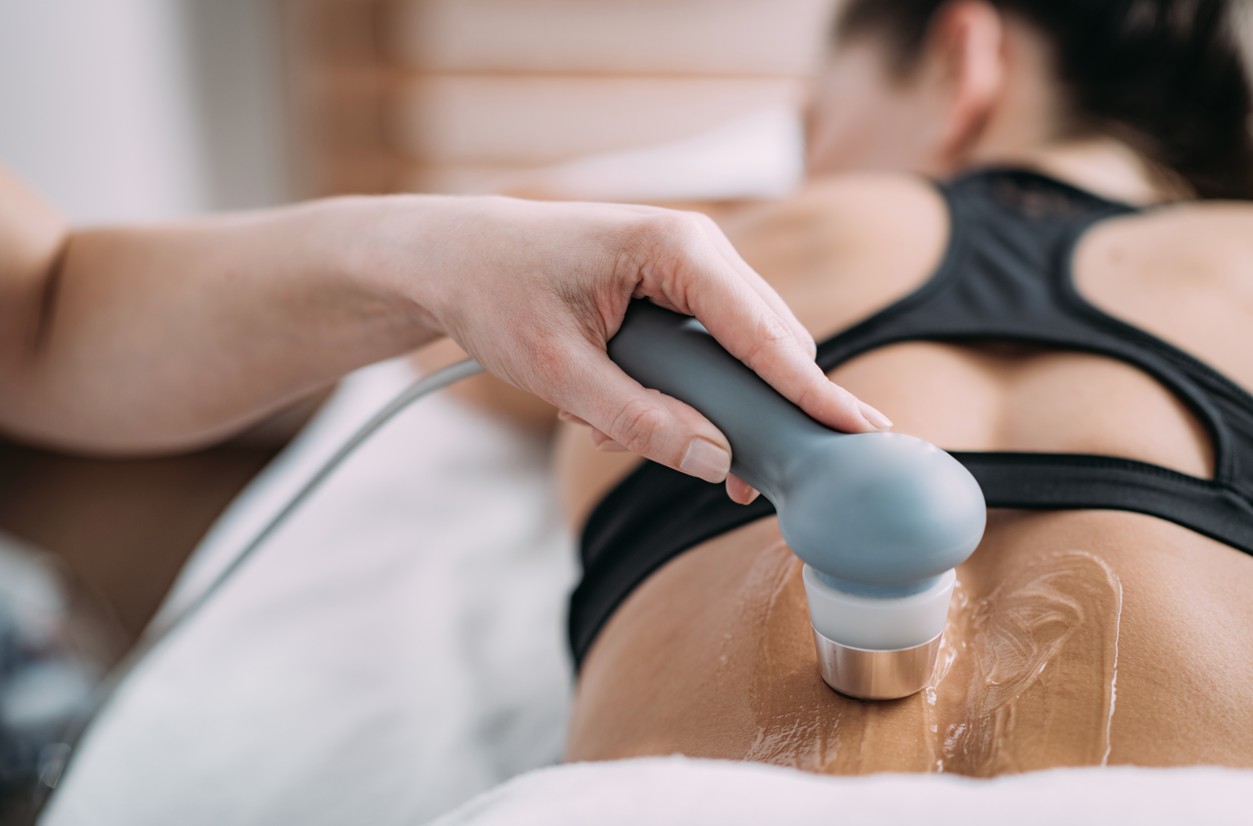
When ultrasound is applied, a conductive gel helps transmit the sound waves through the skin and into deeper structures like tendons, ligaments, and fascia. These tissues tend to absorb the energy more readily than others, which is why ultrasound is often used in musculoskeletal rehabilitation. As the tissues vibrate at a microscopic level, a gentle warming effect can occur—one that reaches much deeper than a heating pad ever could.
That deep heat matters. Increased tissue temperature encourages blood vessels to dilate, improving circulation in areas that may be tight, inflamed, or injured. Better circulation means more oxygen and nutrients are delivered where they’re needed, and metabolic waste is cleared more efficiently.
Beyond Heat: The Power of Non-Thermal Effects
Ultrasound isn’t limited to heat. As sound waves move through tissue, they create tiny, rapidly expanding and contracting gas bubbles in a process known as cavitation. This controlled activity increases cell membrane permeability and stimulates processes like collagen production and fibroblast activity—both essential for tissue repair.
In simpler terms, ultrasound helps “activate” injured or sluggish tissue so it can heal more efficiently.
Why Combine Ultrasound with Massage?
This is where things get especially interesting. Massage therapy improves circulation, reduces muscle tension, and restores mobility through hands-on techniques. When ultrasound is added beforehand—or integrated into the session—it helps prepare the tissue so those techniques can go further.
Muscles may relax more easily, restricted areas may respond more quickly, and deeper layers of tissue can be accessed with less discomfort. For clients, that often translates to a more effective session with longer-lasting results.
A Smart Approach for Injury Recovery—Especially After Car Accidents
Cinnamon has found this combination particularly helpful for acute injuries, including those related to motor vehicle accidents. After an accident, the body often shifts into a protective state. Inflammation, muscle guarding, and small tears in soft tissue can all contribute to pain and limited mobility. Conditions like whiplash, ligament sprains, and muscle strains are common—and they don’t always resolve as quickly as expected.
Ultrasound offers a way to support healing early on. In acute cases, settings can emphasize non-thermal effects to reduce inflammation and encourage cellular repair without adding excess heat. As recovery progresses, thermal settings can be introduced to improve flexibility and circulation. This ability to adapt treatment to the stage of healing is one of ultrasound’s biggest advantages.
Conditions That May Benefit from Ultrasound Therapy
While injury recovery is a major focus, ultrasound is also used for a range of musculoskeletal concerns, including tendonitis, bursitis, muscle strains, joint stiffness, and chronic conditions like osteoarthritis or myofascial pain. Anywhere the body is dealing with inflammation, restricted movement, or delayed healing, ultrasound may help support the process.
It’s worth noting that research findings vary depending on the condition being treated. Some studies show meaningful pain reduction, while others suggest more modest results. In practice, this is why ultrasound is often used as part of a broader, integrative treatment plan.
A Layered, Whole-Body Approach to Care
That integrative approach is exactly how Cinnamon works. By combining ultrasound with massage, she’s able to support the body from multiple angles—mechanically, neurologically, and at the tissue level. It’s not about replacing massage, but enhancing it in a way that helps the body respond more efficiently. For many clients, that means better mobility, less pain, and a smoother path to recovery.
Looking Ahead: Adding Laser Therapy
For those who want to take treatment a step further, Cinnamon also offers laser therapy as an add-on service. Like ultrasound, laser therapy works at a cellular level to support healing and reduce inflammation, making it a natural complement to massage-based care.
Ready to Feel the Difference?
If you’re recovering from an injury—or simply feel like your body isn’t bouncing back the way it should—this combination of ultrasound and massage may offer a more targeted path forward. Reach out to Hawthorn Healing Arts Center to schedule a session with Cinnamon and experience how this deeper, more clinically informed approach can help you move, feel, and function more like yourself again. Appointments with Cinnamon are available by calling 541-330-0334 email [email protected] or visit our online request form.