
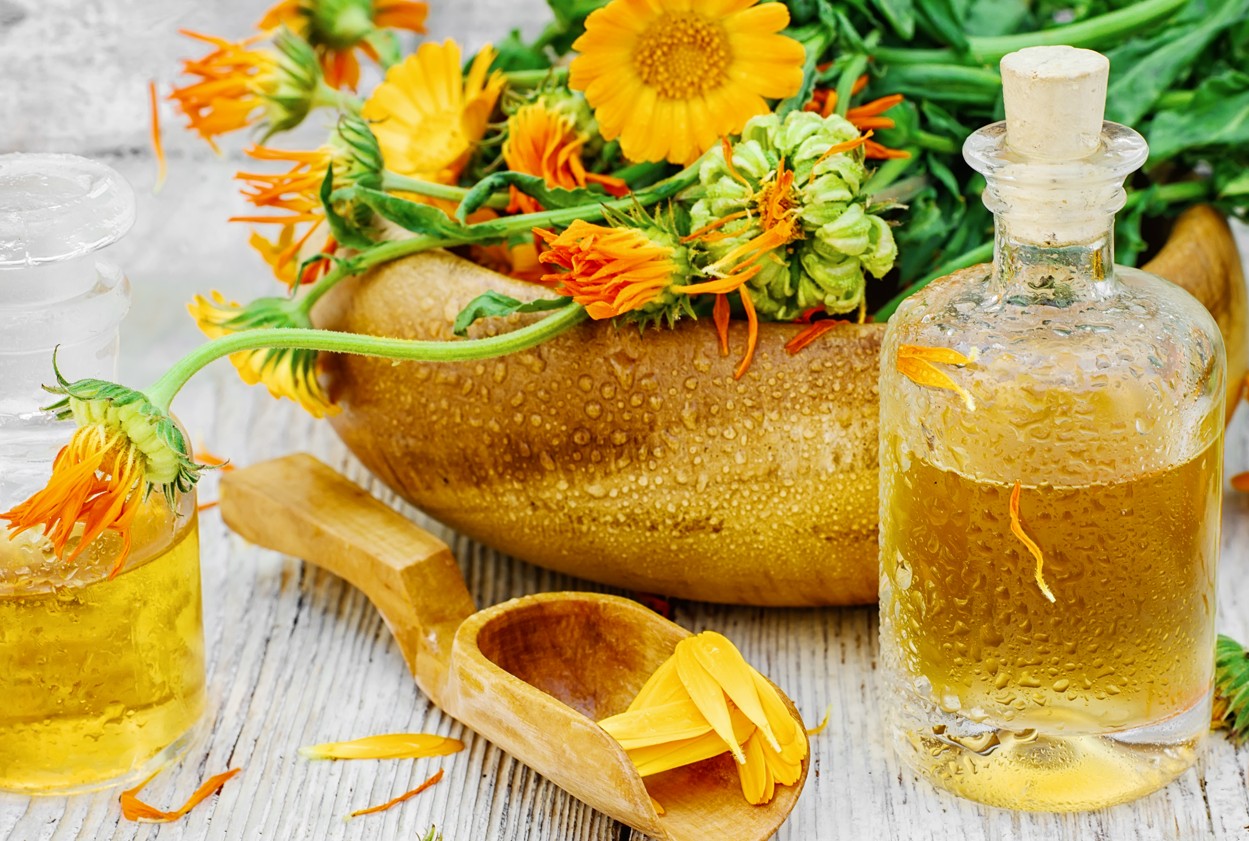
Calendula (Calendula officinalis), also known as pot marigold, is one of those herbs that looks as cheerful as it is healing. With its brilliant golden-orange petals and long history in traditional medicine, calendula has earned a reputation as a flower that supports both beauty and health. From ancient Roman gardens to modern herbal remedies, this versatile plant has been prized for soothing skin, easing discomfort, and even bringing balance to women’s cycles.
At Hawthorn Healing Arts, we often explore remedies that bridge traditional wisdom with modern science. Calendula is a shining example of how a simple flower can carry centuries of healing knowledge while still finding new relevance in today’s holistic health care.
A Flower with a History
Calendula has been used medicinally since at least the 12th century, but its story begins even earlier. The Romans observed that it bloomed at the start of each month—on the “calends”—which gave the plant its name. They used it as both food and medicine, while also appreciating its symbolism of happiness and renewal. In India, calendula is still considered sacred, adorning statues of deities and woven into garlands for ceremonies. The Aztecs and Mayans used it in rituals, and in Mexico it remains central to Day of the Dead celebrations. Germans stirred it into soups and stews, sometimes as a substitute for saffron, which earned it the nickname “pot marigold.” Clearly, this little flower has always been more than just a pretty face.
The Science Behind the Petals
Calendula is rich in compounds that give it healing power. Its flower heads contain lutein and beta-carotene, which the body converts to vitamin A, a nutrient essential for skin and immune health. Its fatty acids—especially calendic and linoleic acids—play a strong role in fighting inflammation. The plant is also packed with oxygenated oils like monoterpenes and sesquiterpenes, which contribute to its antimicrobial and antiviral abilities.
When you look at a calendula blossom, you’re looking at a pharmacy in bloom.
Key Benefits of Calendula
1. Anti-Inflammatory Powerhouse
Calendula’s flavonoids act as antioxidants, protecting cells from damage while lowering inflammation markers in the body. Linoleic acid, another component, further helps quiet inflammatory responses. This makes calendula effective for soothing dermatitis, rashes, ear infections, sore throats, and more. Parents may even recognize it in gentle creams for diaper rash.
2. Calming Muscle Spasms
Research has shown calendula can relax muscle contractions, which supports its traditional use in easing abdominal cramps and constipation. For women, this translates into a potential ally during monthly cycles, when cramping can interrupt daily life.
3. Boosting Lymphatic Flow
The lymphatic system is like the body’s waste-removal network. Calendula helps support lymphatic circulation, encouraging detoxification and reducing swelling. A well-functioning lymphatic system not only enhances immunity but also improves energy and overall vitality. For those who experience swollen lymph nodes or fluid retention, calendula can be a gentle long-term aid.
4. Healing Wounds and Ulcers
Topical calendula ointments and gels have shown remarkable results in speeding wound healing. Studies on venous leg ulcers found a fourfold increase in healing speed when calendula extract was applied. Animal studies confirm its effectiveness in tissue repair, with improved blood flow, oxygenation, and new tissue growth.
Calendula also hydrates the skin, improves firmness, and can be taken as tea to soothe internal ulcers, such as gastric or duodenal irritations.
5. Natural Antimicrobial & Antiviral
Calendula’s oils contain acids that fight bacteria, viruses, and even fungal infections like candida. Some studies suggest it can even inhibit antibiotic-resistant bacteria from clinging to sutures, making it a powerful natural ally in the age of superbugs.
6. Oral Health
Calendula has become a favorite in natural oral care. Found in toothpastes and mouthwashes, it reduces gum inflammation, fights plaque, and supports healthy oral flora. As an astringent, it helps tighten and tone tissues, creating an environment less friendly to bacteria.
Calendula & Women’s Health
Menstrual Comfort
Calendula tea has been traditionally used to ease menstrual cramps and promote cycle regularity. Its mild analgesic and anti-inflammatory properties help relax the pelvic area, while its calming nature supports mood balance. Women who struggle with bloating, cramps, or stress during their cycle may find calendula tea a soothing ritual.
Vaginal and Urinary Tract Health
Thanks to its antimicrobial and anti-inflammatory effects, calendula shines in intimate care. Sitz baths or calendula washes can calm irritation, reduce itching, and support the natural vaginal flora. It has been used as a gentle aid for yeast infections, bacterial vaginosis, and postpartum healing. Calendula may also help prevent recurring urinary tract infections (UTIs) by reducing inflammation and supporting tissue health. For many women, calendula offers a natural, chemical-free way to maintain intimate comfort and resilience.
Simple Ways to Use Calendula
One of the beautiful things about calendula is its versatility. Here are a few gentle, time-tested ways people often use it:
Calendula tea: Steep dried petals in hot water for a soothing drink that may ease cramps, calm digestion, and support relaxation.
Skin salve or cream: A go-to for dry skin, diaper rash, cuts, and scrapes. Calendula ointments are widely available, or you can infuse petals into oil and make your own.
Mouth rinse: Calendula tea can double as a natural mouthwash to calm gum inflammation and freshen breath.
Sitz bath: Adding calendula petals or extract to warm water can soothe irritation and support postpartum or menstrual comfort.
Infused oil: Calendula oil makes a nourishing massage oil for sore muscles or a gentle moisturizer for sensitive skin.
A Few Precautions
As with any herb, calendula isn’t for everyone. People allergic to plants in the Asteraceae family (ragweed, chamomile, echinacea) should avoid it. Pregnant or breastfeeding women are generally advised not to take calendula internally, as it may stimulate menstruation. Calendula may also interact with sedatives, diabetes medications, or blood pressure drugs. As always, it’s best to check with a healthcare provider before adding a new herbal remedy to your routine.
The Golden Takeaway
Calendula is more than just a cheerful bloom—it’s a healing herb with a long, global history of supporting health, especially women’s health. From easing monthly cramps to protecting the skin and calming inflammation, calendula offers natural relief and gentle strength. For those seeking a holistic approach to wellness, calendula reminds us that sometimes the simplest remedies—a tea, a salve, or a sitz bath—can be the most effective. Whether it’s helping wounds heal faster, reducing menstrual discomfort, or supporting lymphatic and immune health, calendula has rightfully earned its place in the herbal toolkit.
At Hawthorn Healing Arts, we see calendula as a reminder of the natural world’s ability to nurture, balance, and restore. In its golden petals lies both ancient wisdom and modern healing potential—a true ally for women and for all who value gentle, holistic care.