
 Dr. Joshua Phillips, ND | Hawthorn Healing Arts
— Originally published in the Source Weekly, from Dr Phillips’ monthly column, The Medicine Cabinet Within.
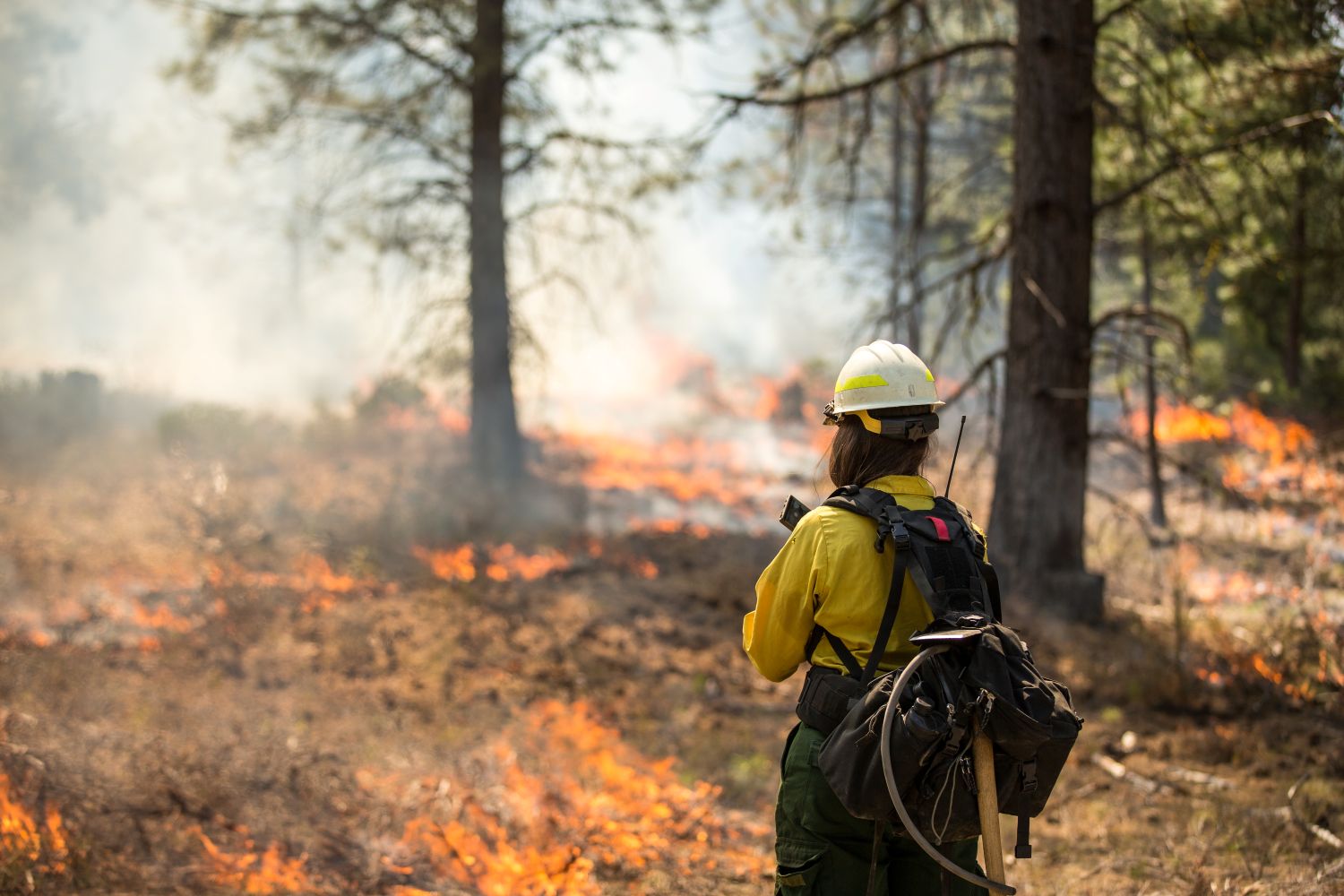
The smell of smoke, thick haze in the sky, and the knowledge of nearby fires can elicit a very real and ancient instinct in our minds and nervous systems — to flee and get away. This instinct has served humankind well, as those that developed this sensibility were generally those that survived, eluding otherwise catastrophic fires threatening homes and environment. Our sense of smell has a direct link to our limbic system, that part of the brain associated with emotions, and just the smell of wildfire can trigger a response that our ancestors developed over hundreds of thousands of years. There are also very real physiologic concerns and stressors our bodies experience when wildfire smoke is in the air. In a climate of increasing intensity of fires every year, there are some useful considerations for supporting health and vitality and making the wildfire season more tolerable.
While certain densities of smoke do in fact warrant staying inside or following that fleeing instinct all the way to the Pacific Ocean, this year we have lived in an environment that is, for the most part, very survivable. Nevertheless, I work with many patients whose sensitivity to smoke in the air causes physiological symptoms as well as mental emotional responses that are nearly unbearable. Some approaches to this that really make a difference include first creating a safe and clean-air environment in your home and office. Many more cost-effective choices exist from companies that do a great job with HEPA filtration and the ability to move plenty of air — I love, for example, the Coway brand Airmega unit running at our place this year.
Making sure you are spending time in and around water is also a wonderful salve for the mind and nervous system during the season of smoke and heat. Simply getting yourself to the river or to nearby lakes for weekly swims can do wonders, reminding that primal instinct that you are in fact still safe and OK.
For many, the emotional trigger also exists because there are so many regions and communities in Oregon and beyond who have not been so fortunate during this wildfire season. This author would like to offer a particular shout-out to the community and tribal nation of Warm Springs, who have had a devastating fire season with immeasurable destruction to homes, property and environment. For those whose hearts are moved to support this community’s recovery efforts financially, donations can be made online at the Confederated Tribes of Warm Springs Wildfire Recovery Fund.
Beyond the emotional stressors associated with wildfire season, our bodies also endure real metabolic stress from the smoke and particulate matter that we are inevitably inhaling, even when the AQI index is below 100. The effects of this are particularly dangerous for those already suffering from cardiovascular or respiratory conditions. There are direct impacts on the lungs from smoke in the environment and simultaneously oxidative stress on all the cells in the body from free radical activity associated with smoke and particulate matter inhalation. Our body has tremendous anti-oxidant mechanisms always at work, and there are many approaches to helping support that.
Staying well-hydrated , as simple as that sounds, goes a long way to helping your body deal with the physical and metabolic effects of smoke exposure. Additionally, making sure you include antioxidant rich foods like red and blue berries, an abundance of leafy greens, vitamin C rich citrus as well as omega 3 oils is very beneficial. Nutritional supplements like N-Acetyl Cysteine, Vitamin C and herbs that nourish the lungs are all worth consideration. A few of the many lung-nourishing herbs to consider during the season of smoke and fire include slippery elm (Ulmus), marshmallow root (Althea), mullein (Verbascum) and licorice root (Glycyrrhiza). One might also consider including passionflower (Passiflora) and oat (Avena) to additionally help soothe the nervous system.
Taking good care of our minds and bodies and staying connected with communities in need helps us feel less as victims of our surroundings and more empowered during wildfire season. In this way we not only bolster our health and resilience but also take action during an environmental phenomenon that can feel so beyond our control.
Joshua Phillips, ND is a naturopathic physician and the director at Hawthorn Healing Arts Center in Bend. He can be reached at [email protected] with questions or comment. Appointments with Dr. Phillips are available by calling 541-330-0334, email [email protected] or visit our online request form.