
 Cinnamon Crabb LMT | Hawthorn Healing Arts
When you’re preparing for surgery, most of your attention naturally goes toward the procedure itself: choosing a surgeon, arranging time away from work, preparing your home, and figuring out what you’ll need during those first days of recovery. Massage may not be at the top of that list. But for people considering lymphatic massage as part of their surgical recovery, when you begin planning can matter almost as much as what happens after surgery.
Pre- and post-operative lymphatic massage can be incorporated into a recovery plan to help manage swelling and fluid retention, support comfortable movement, and encourage the body’s natural lymphatic processes as tissues heal. Just as importantly, beginning the conversation before surgery gives you an opportunity to understand what this specialized form of massage involves—and to arrange care before your calendar fills up with appointments and recovery demands.
Why Think About Lymphatic Care Before Surgery?
Manual lymphatic drainage (MLD) uses gentle, specific techniques intended to encourage the movement of lymph fluid through the body. It is very different from a traditional deep-tissue massage, and post-surgical work needs to be particularly light and carefully adapted to the individual.
For someone preparing for surgery, one or two sessions before the procedure may be part of a broader wellness and recovery plan. The goal isn’t to “prepare” the body by aggressively manipulating tissues. Instead, pre-operative sessions can provide an opportunity to become familiar with the techniques, discuss what recovery may look like, and establish a relationship with a therapist who understands post-surgical lymphatic care. There is another practical advantage: planning ahead.
Post-operative care can involve several appointments, particularly during the early stages of recovery. Scheduling those sessions after surgery may be difficult when you’re already tired, uncomfortable, and working around your surgeon’s follow-up appointments. Booking in advance can make it easier to get the frequency and timing that fit your recovery plan.
What Happens to the Body After Surgery?
Surgery is a controlled form of physical trauma. Even when everything goes exactly as planned, the body responds with inflammation, swelling, bruising, and the accumulation of fluid and cellular debris around the affected tissues. Some swelling is a normal part of healing. The question is how your body manages that swelling over time.
Lymphatic massage works with the body’s existing lymphatic pathways rather than forcing fluid through swollen or healing tissues. A trained therapist uses gentle techniques to encourage fluid movement and, when appropriate, work around areas affected by surgery. This is one reason post-operative lymphatic massage is not an ordinary massage. Healing tissues need thoughtful, specialized care.
The Early Days of Recovery
When post-op lymphatic massage begins depends on the procedure, the individual patient, and the surgeon’s recommendations. As long as the patient has received clearance from their surgeon to begin therapy, some clients may choose to begin gentle manual lymphatic drainage within the first several days after surgery. An individualized approach is important because there is no single recovery schedule that applies to everyone.
Some people may benefit from several sessions per week during the first few weeks, followed by less frequent appointments as swelling decreases. Others may need fewer sessions. The type of surgery, extent of swelling, healing progress, and individual circumstances all play a role. Your therapy is designed to work with your recovery—not against it.
What Can Lymphatic Massage Help With?
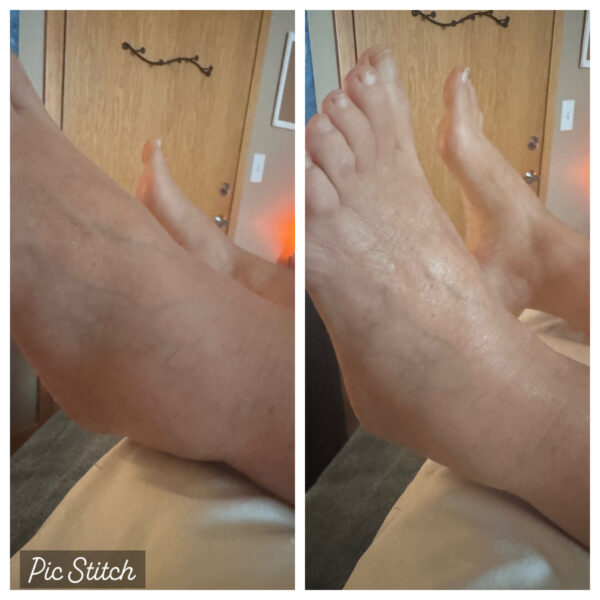
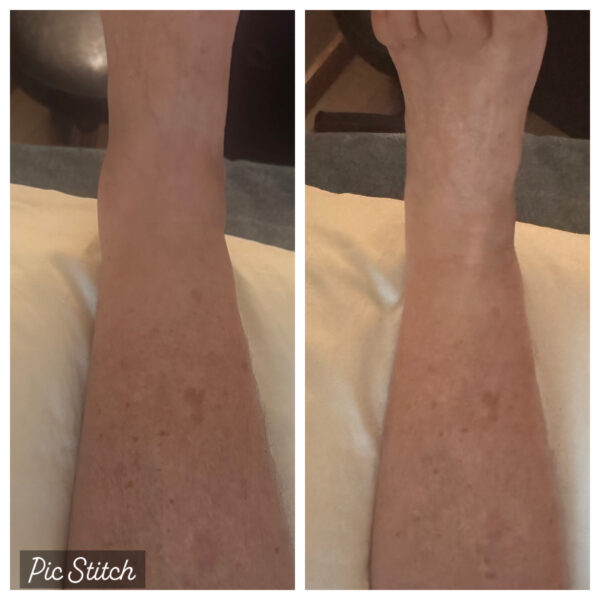
Post-operative lymphatic massage is commonly used to help manage swelling and fluid retention and to support comfort during recovery. It may also be used as part of care addressing fibrosis, scar-tissue changes, or changes in tissue texture as healing progresses.
These concerns can arise following a wide range of procedures, including cosmetic, reconstructive, gender-affirming, and some orthopedic surgeries. Common examples include liposuction, tummy tucks, BBLs and fat transfers, breast procedures, arm or body lifts, facelifts, rhinoplasty, and other procedures that produce significant swelling.
The purpose isn’t simply cosmetic. Being more comfortable during recovery matters. Reducing the feeling of pressure and congestion can make the healing period easier to navigate while the body does its work.
One Important Distinction: Lymphatic Drainage Is Not Wound Care
Lymphatic massage is not about opening surgical incisions or attempting to force fluid out through wounds. Wound care and anything involving surgical incisions should always remain under the direction of the surgeon or other qualified medical professionals. Likewise, post-operative massage should not be intensely painful. Swollen or healing areas may naturally be tender, but specialized lymphatic techniques are designed to be gentle. Your massage is designed around where you are in the surgical recovery and healing process, and adheres to what your surgical team has recommended.
Make Lymphatic Care Part of the Plan
If you’re planning surgery, you don’t necessarily have to wait until you’re home recovering to start thinking about lymphatic massage. A conversation before surgery can help you understand whether this type of care may be appropriate for you, what scheduling might look like, and what questions you might ask your surgeon. Once you know your surgical date, arranging appointments ahead of time may also make one part of your recovery considerably less stressful.
Most importantly, lymphatic massage should be viewed as supportive care—not a replacement for medical care or your surgeon’s post-operative instructions. Your surgical team remains the authority on when massage is appropriate for your particular procedure and recovery.
Support Your Recovery with Thoughtful, Specialized Care
Whether you’re preparing for surgery or are already navigating the recovery process, Cinnamon Crabb, LMT can help you understand how lymphatic massage may fit into your individualized plan. With gentle, specialized techniques and an emphasis on communication and comfort, lymphatic care can become one more thoughtful piece of a well-planned recovery.
If surgery is on your calendar, consider reaching out to Cinnamon before your procedure to discuss your needs and plan ahead for the recovery period. To make an appointment with Cinnamon Crabb LMT call 541-330-0334 or feel free to use our online appointment form.